
Table of Contents

Why Choose an Energy-Saving Electric Kettle?
Many families still boil water in a pot on the gas stove or use an old kettle with a worn-out element. Both options waste energy. An electric kettle heats water directly, with very little heat lost to the air, so it is usually faster and more efficient than a stovetop pot.
Here are the main benefits:
- Lower electricity use: A kettle that boils quickly and shuts off by itself uses fewer units per litre.
- Saves gas: Useful at a time when gas pressure is low or LPG is expensive.
- Saves time: Most kettles boil one litre of water in around three to five minutes.
- Safer to use: Auto shut-off protects against dry boiling and overheating.
- Affordable: Good models are easily available in the budget range.
How Much Electricity Does a Kettle Use?
The key number to look at is wattage. Most electric kettles in Pakistan range from about 1,500 W to 2,200 W, while smaller travel or mini kettles use less.
Boiling one litre of water takes roughly 0.1 kWh of electricity in real-world use. If your electricity rate is around Rs 50 per unit (check your own bill, as tariffs change), that is about Rs 5 for one litre. Boil water three or four times a day and the cost adds up over a month, which is why efficiency matters.
A simple rule: a kettle does not save energy because it has low watts alone. It saves energy because it boils only the water you need, heats it quickly and turns off automatically. A 2,000 W kettle that boils quickly can use about the same energy as a 1,500 W kettle that takes longer, because heat is lost the longer it runs.
What to Look for in a Kettle Under 5,000 PKR
1. Auto Shut-Off and Boil-Dry Protection
This is the most important feature. Once the water boils, the kettle should switch off by itself. Boil-dry protection stops the element if there is no water inside. Both save energy and prevent damage, so never buy a budget kettle without them.
2. Stainless Steel Body
Stainless steel inside the kettle is easier to clean, lasts longer and does not give water a plastic taste. Look for food-grade stainless steel (304 grade is a good sign) and a body that does not feel thin or flimsy.
3. Concealed (Hidden) Heating Element
A flat, hidden element at the bottom is easier to clean and resists limescale better than an exposed coil. It also heats small amounts of water more efficiently.
4. The Right Capacity
A 1.5 to 1.8 litre kettle suits a family of four to six. For one or two people, a 1 litre kettle is better, because boiling too much water wastes electricity. If you mostly make a cup or two of tea at a time, a smaller kettle is the smarter choice.
5. Good Wattage, Not Just High Wattage
A wattage of 1,500 W to 2,000 W is a practical range for home use. Make sure your wiring, plug and extension board can handle it. Avoid plugging a kettle into a weak extension cord.
6. Cool-Touch Handle and Secure Lid
A heat-resistant handle and a lid that locks properly protect you from burns and spills, especially in homes with children.
7. Warranty and After-Sales Support
A warranty of six months to one year is a good sign that a seller stands behind the product. Buy from a trusted shop or an official brand store so you can claim it if something goes wrong.
Quick Comparison: Types of Kettles in This Budget
| Kettle type | Typical capacity | Best for | Energy-saving tip |
|---|---|---|---|
| Mini or travel kettle | 0.5 to 1 litre | Students, singles, travel | Boils fast and uses very little power per cup |
| Standard steel kettle | 1.5 to 1.8 litres | Small and medium families | Fill only what you need each time |
| Large family kettle | 2 litres and above | Big households, guests | Use only when boiling larger amounts |
| Glass kettle | 1.5 to 1.8 litres | Those who want to see the water | Check for a quality seal and shut-off |
Prices change often with the dollar rate and market conditions, so always check the current price on the seller’s page before buying.
Tips to Save Even More Electricity
The right kettle is only half the story. How you use it matters just as much.
- Boil only what you need. Filling the kettle to the top for a single cup wastes power.
- Descale regularly. Limescale on the element makes the kettle work harder. Clean it every month with a mix of water and white vinegar or lemon juice.
- Do not re-boil water. Keep hot water in a flask if you need it again within an hour.
- Keep the lid closed while boiling so heat does not escape.
- Unplug after use. Even if it switches off by itself, unplugging is a safe habit.
- Use the right socket. A loose plug or weak extension wastes energy and can be dangerous.
Common Mistakes to Avoid When Buying a Cheap Kettle
- Choosing only by the lowest price. A very cheap kettle may have no auto shut-off and may fail in a few months.
- Ignoring the material. Thin plastic bodies and poor-quality inner surfaces can affect taste and safety.
- Buying too big. A large kettle for a small family wastes electricity every day.
- Skipping the warranty. No warranty usually means no support when you need it.
- Trusting only the title. Read the specifications. Look for auto shut-off, wattage, capacity and body material.
How to Clean and Maintain Your Kettle
A clean kettle works better and lasts longer. Once a month, fill it halfway with water and add two tablespoons of white vinegar or the juice of one lemon. Boil it, let it sit for 15 to 20 minutes, then rinse well and boil plain water once to remove any smell. Wipe the outside with a soft damp cloth and never immerse the base in water.

Pyrex Essentials (3-Pack) Glass Measuring Cups Set (1, 2 & 4 Cup) | For prepping, baking and cooking, preheated oven, dishwasher, freezer, and microwave safe
$25.99 (as of September 8, 2026 01:41 GMT +05:00 - More infoProduct prices and availability are accurate as of the date/time indicated and are subject to change. Any price and availability information displayed on [relevant Amazon Site(s), as applicable] at the time of purchase will apply to the purchase of this product.)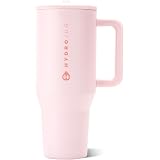
HydroJug Traveler 40oz, Insulated Tumbler with Handle & Straw, Pink Sand | Triple wall insulated, flip straw lid, leak-resistant, stainless steel, cup holder friendly, BPA-free, dishwasher safe
$31.99 (as of September 8, 2026 01:41 GMT +05:00 - More infoProduct prices and availability are accurate as of the date/time indicated and are subject to change. Any price and availability information displayed on [relevant Amazon Site(s), as applicable] at the time of purchase will apply to the purchase of this product.)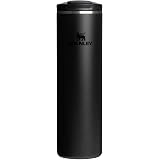
STANLEY Transit FlipTop Mug | Leakproof Coffee Travel Cup | Vacuum Insulated Stainless Steel | Stays Hot or Cold for Hours | BPA-Free | 20 oz | Black 2.0
$21.00 (as of September 8, 2026 01:41 GMT +05:00 - More infoProduct prices and availability are accurate as of the date/time indicated and are subject to change. Any price and availability information displayed on [relevant Amazon Site(s), as applicable] at the time of purchase will apply to the purchase of this product.)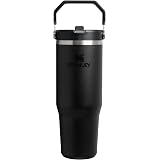
STANLEY IceFlow 2.0 Flip Straw Tumbler, 30 oz, Black 2.0 | Easy Carry Handle | Twist On Lid and Flip Up Straw | Leak Resistant Water Bottle | Insulated Stainless Steel | BPA-Free
$21.00 (as of September 8, 2026 01:41 GMT +05:00 - More infoProduct prices and availability are accurate as of the date/time indicated and are subject to change. Any price and availability information displayed on [relevant Amazon Site(s), as applicable] at the time of purchase will apply to the purchase of this product.)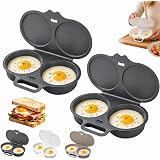
Microwave 2‑Egg Poacher, Dual‑Cavity Non‑Stick Egg Cooker with Lid & Handle | Quick-Heat Breakfasts, Sandwiches, and Meal Prep, Nonstick Oil-Free Cooking, Food-Grade Pp & Versatile Kitchen Essential
$8.88 (as of September 8, 2026 01:41 GMT +05:00 - More infoProduct prices and availability are accurate as of the date/time indicated and are subject to change. Any price and availability information displayed on [relevant Amazon Site(s), as applicable] at the time of purchase will apply to the purchase of this product.)Is an Electric Kettle Cheaper Than Using a Gas Stove?
It depends on your gas and electricity rates. For small amounts of water, an electric kettle is often faster and wastes less heat. In areas with unreliable gas supply or high LPG prices, an electric kettle can be the more convenient and practical option. If your electricity tariff is high, using a kettle sensibly, with only the water you need, keeps the cost low.
Frequently Asked Questions (FAQs)
Which is the best energy-saving kettle under 5,000 PKR?
There is no single best model for everyone. Choose one with auto shut-off, boil-dry protection, a stainless steel body, a hidden heating element and a capacity that fits your family size. Compare current prices and reviews from trusted sellers.
Does a higher-wattage kettle use more electricity?
A higher-wattage kettle draws more power, but it also boils water faster. Total energy used can be similar. What really saves energy is boiling only what you need and having automatic shut-off.
How many units does an electric kettle use per month?
It depends on how often you use it. If you boil about three litres a day, usage is roughly 9 kWh a month in real conditions. Your actual number depends on the kettle, the amount of water and the starting temperature.
Is a stainless steel kettle better than a plastic one?
Yes, in most cases. Stainless steel is more durable, easier to clean and does not affect the taste of water. Choose a kettle labelled food grade.
How long does an electric kettle last?
With regular descaling and careful use, a good kettle can last three to five years or longer. Poor-quality kettles may fail within a year.
Can I use a kettle on a UPS or inverter?
Most kettles draw high power, usually 1,500 W or more, which can overload a small UPS or inverter. Check your UPS capacity before connecting a kettle, or choose a lower-wattage model.
How often should I descale my kettle?
Once a month is a good habit. If your water is very hard, descale every two to three weeks.
Final Verdict
You do not need to spend more than 5,000 PKR to get a reliable, energy-saving electric kettle. Focus on the features that really reduce waste: auto shut-off, boil-dry protection, a hidden element, stainless steel construction and the right capacity for your household. Then use it smartly by boiling only what you need and cleaning it regularly.
Before you buy, compare the specifications, check the warranty and read recent customer reviews. A few minutes of research can save you money on your electricity bill for years.